

mental defilements : ค้นหาหนังสือธรรมะ หน้า 2 / 3
หน้าหนังสือทั้งหมด
14
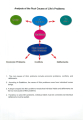
Analysis of the Root Causes of Life’s Problems
Analysis of the Root Causes of Life’s Problems
The Root Causes of Life’s Problems
Economic Problems Conflicts Defilements
Buddhism
The Individual
The Mind
Habits
Root Causes of Life’s Problems
This text discusses the analysis of life’s problems through a Buddhist lens, identifying economic issues, conflicts, and personal defilements as root causes. It asserts that these problems originate f
24
The Path of Self-Mortification in Buddhism
2. The Path of Self-Mortification
According to the Buddha, the practice of self-mortification [attakilamathānuyoga] is fruitless. He said that it is not a practice in keeping with the tenets of Buddhi
In Buddhism, the practice of self-mortification is deemed fruitless by the Buddha. He elucidates that these practices, such as lying on thorns and severe fasting, do not genuinely rid individuals of d
113
Understanding the Dhamma Body and Its Significance
Dhamma Body, thereby make themselves invulnerable to
the action of defilements. In the past we might have been
unable to give up unwholesome behaviours (such as drink-
ing alcohol) in spite of knowing
The Dhamma Body, or Dhammakāya, represents the essence of Buddhism, highlighting the journey towards enlightenment. By attaining the Dhamma Body, individuals can free themselves from defilements such
104
Untitled Document
102 : Universal Goodness
However, defilements as mental microchips have the power to make one greedy, angry and ignorant. Defilements can be compared to the germs that exist in one's mind.
The solut
This content explores various themes and ideas presented in the book, providing readers with a deeper understanding of its message and significance. The text delves into character development, plot pr
140
Sample Title
Sangha — the monastic community or Order
Sāsana — the Buddhist Teaching or Buddhist religion
Sixfold Superknowledge — the mental powers of one pure of defilements comprising: 1. supernormal powers
This is a summary of the content providing a brief overview without including any web URLs except dmc.tv. The content aims to inform and engage readers on various topics related to the title.
97
Ten Ways to Perform Good Deeds
Powerless - being jealous in others' success; having ill will
High social standing - being respectful to the virtuous; humble
Low social standing - being arrogant and disrespectful to the virtuous; la
This text outlines ten good deeds that enhance merit, including acts of giving, adherence to moral precepts, and mental cultivation through meditation. It emphasizes the importance of generosity in co
60
Understanding the Mind and Defilements
Suzanne Jeffrey
the body will die. (4) It likes to travel fast and far. The speed of light is 186,000 miles a second, so it takes 8 minutes to see from the earth to the sun. But our mind perceives th
This text delves into the complexities of the human mind, emphasizing its speed and difficulty to control. It discusses how meditation can help in training the mind, which is often distracted by defil

13
Understanding the Root Causes of Life's Problems
Part 1
The Concepts
The Root Causes of Life's Problems
All of the problems in life come from three main areas:
1. Economic problems : Problems which have to do with the means of supporting on
The main causes of life's problems are categorized into three areas: economic problems, which involve the means of support; social problems arising from conflicts; and defilements associated with birt
23
Understanding the Path to Nirvana: The Buddha's Teachings
the attainment of Nirvana. In the Dhammacakkapavattana Sutta, further to the clarification of the profitable path of practice, the Buddha stipulates paths of practice that are unprofitable and might e
This text discusses the Buddha's elucidation of the paths to Nirvana as presented in the Dhammacakkapavattana Sutta. It highlights the unprofitable practices, particularly the path of sensual indulgen
138
The Path to Enlightenment in Buddhism
grasping [räga], hatred [dosa] and delusion [moha]. When the mind is sufficiently pure to be released from these three defilements, the mind will attain the Formless Brahma Body.
The defilements assoc
This text discusses the process of achieving enlightenment in Buddhism, focusing on the overcoming of three main defilements: grasping (räga), hatred (dosa), and delusion (moha). It explains the attai
102
Untitled
100 : Universal Goodness
The mind is made up of the knowing element which is invisible. It is also tainted with filthy but refined elements called "defilements". Defilements cause our mind to be gloo
No content provided for summary.

24
A Treasure that Cannot Be Bought
Chapter 7
A Treasure that Cannot Be Bought
World peace through inner happiness is less costly than any war, and its result is more effective and enduring. Fighting a war requires an immense budge
…h inner happiness is more valuable and lasting than war. It underscores the necessity of overcoming mental defilements through meditation and energy concentration, which enables individuals to achieve clarity and peace…
80
Exploring the Nature of the Mind
Suzanne Jeffrey
It is not something to see with the eyes, so you must meditate and practice and see it for yourself. The mind is at the seventh base, and is approximately the size of an eye socket. I
This text discusses the importance of meditation and self-awareness in understanding the mind. It highlights how our perceptions affect our knowledge and the various challenges like health and mood th
156
Glossary of Important Terms in Enlightenment
Glossary
Arahant – Someone who has attained enlightenment (or no longer has defilement). This person is free from greed, delusion, ignorance and such things as that.
Baap – The bad stuff that’s floa
This glossary provides definitions of essential terms in the context of enlightenment and mindfulness practices. It discusses concepts such as Arahant, individuals who have achieved enlightenment free
8
Understanding Mental Purities and Wholesome Actions
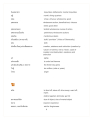
impurities; defilements; mental impurities
monk’s living quarters
virtue; virtuous; wholesome; good
wholesome action; beneficial act; virtuous deed; good deed
tenfold wholesome course of actio
This text delves into the Buddhist understanding of mental impurities and their impact on virtue and wholesome actions. It discusses the importance of defilements and how monks aim to foster virtuous
73
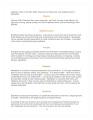
Understanding Dharma and Buddhist Practices
gratitude; there is life after death; heavens and hells exist, and enlightenment is attainable.
Dharma
*Dharma* (Pali, Dhamma) has many meanings: the Truth, the way of the Nature, the right way of l
Dharma, meaning Truth and the way of Nature, is central to Buddhism. Buddhists are guided by three main practices: doing good, avoiding evil, and purifying the mind through meditation. They adhere to
115
The Journey to Nirvana: Understanding Pathama Magga Sphere
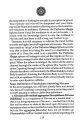
the temptation of looking for rewards in corruption or power. Your memory and wits will be sharpened and your thinking will be fluent and creative allowing you to find constructive solutions to proble
This text discusses the Pathama Magga Sphere, emphasizing the importance of continual mental cultivation towards higher levels of happiness and success. It explains how to 'let go' of this sphere, lea
94
Understanding Merit and Demerit: The Law of Karma
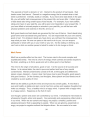
The opposite of merit is demerit, or ‘sin’. Demerit is the product of bad deeds. Bad deeds cause ‘bad karma’. Demerit is a negative energy that is created when a bad deed is performed: mentally, bodil
The opposite of merit is demerit, representing the consequences of bad deeds which cause negative karma. Both good and bad deeds are governed by the Law of Karma, where actions determine outcomes in t
103
Understanding Meditation and Its Benefits
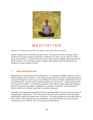
MEDITATION
"When I'm in peace, everyone is in peace, the world will be in peace."
Human beings consist of both body and mind. The mind is a form of energy which controls and sends sequels to the bra
Meditation serves as a crucial tool for mental development, enabling the mind to achieve stillness and clarity. Human beings are composed of body and mind, where a clear mind leads to good actions, wh
105
The Power of Meditation in Purifying the Mind
When we are young, our mind is simple, innocent and relatively pure. A young mind has not yet been exposed to many mental contaminants. It is easier for the mind of a child to reach a calm and tranqui
When we are young, our minds are simple and innocent, making meditation easier. However, as we grow, life's burdens create stress and unrest. Mental impurities like greed and anger cloud our minds. Me